Mapping Encrypted Data Pathways in UK Betting Applications for Identity Verification
Nils Klein · Nov 6, 2026
Mapping Encrypted Data Pathways in UK Betting Applications for Identity Verification
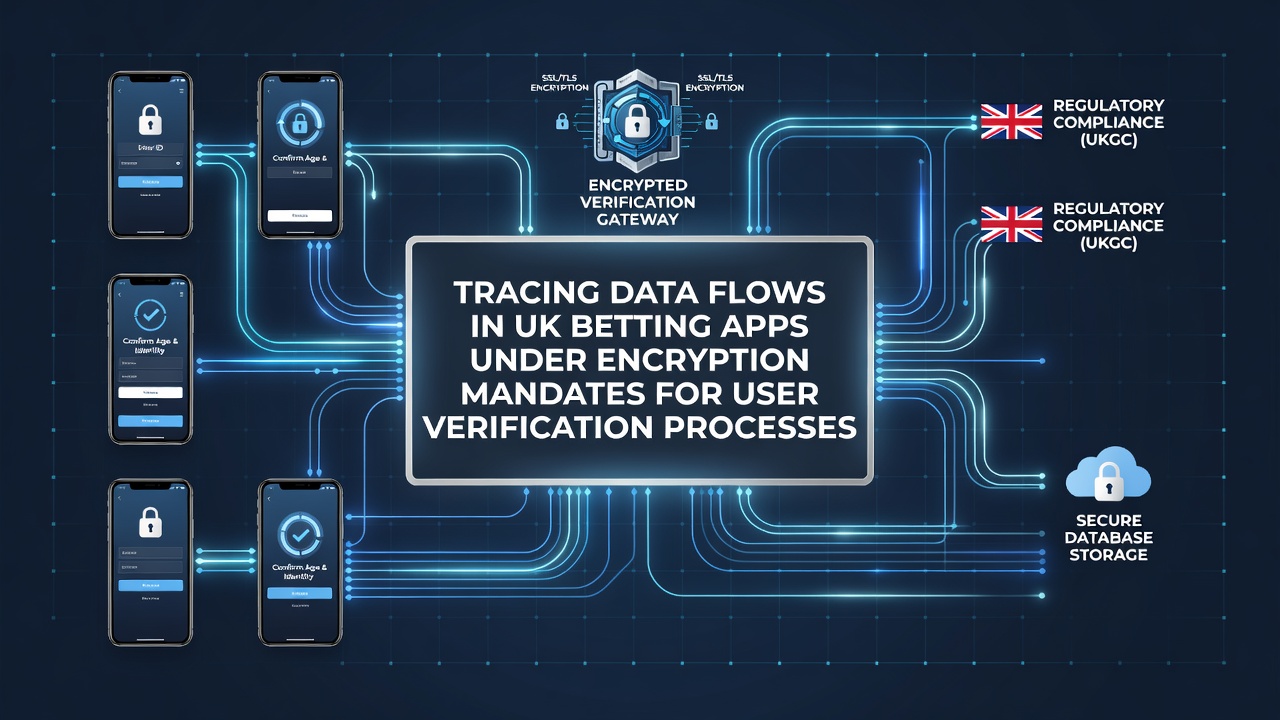
UK betting applications process user verification through layered encryption protocols that direct personal data along specific routes from device capture to central servers, and observers note how these pathways maintain compliance while handling identity checks. Data enters the system via app interfaces where users submit documents and biometric details, then encryption algorithms secure the transmission before it reaches verification modules. Researchers have documented these flows in reports that highlight end-to-end protection measures without exposing raw information during transit.
Initial Data Capture and Encryption Layers
Betting platforms collect verification inputs at the user device level through forms and camera integrations, after which the system applies AES-256 encryption standards before any network transfer occurs. This process routes the encrypted packets first to regional edge servers that perform preliminary validation checks, and data analysts track how these steps prevent interception while preparing records for deeper analysis. Studies from international research institutions show that such initial handling reduces exposure risks by segmenting flows into isolated channels dedicated to different data types like address proofs or identity cards.
Applications maintain logs of these early stages using tokenised references rather than storing full datasets locally, which allows tracing without retaining sensitive elements on mobile devices. Experts tracking these movements have identified consistent patterns where verification requests queue through secure APIs that enforce encryption at every hop, and this setup supports rapid processing during peak registration periods.
Server-Side Routing and Compliance Checks
Once data reaches backend infrastructure, it diverts into parallel streams for cross-referencing against external databases while encryption keys rotate at fixed intervals to sustain security. One study revealed that these server pathways incorporate automated flags for incomplete submissions, directing partial records back through encrypted return channels for user correction. Observers note the efficiency of this routing because it limits full data exposure to authorised verification teams only, and systems log each transfer point with timestamps for audit purposes.
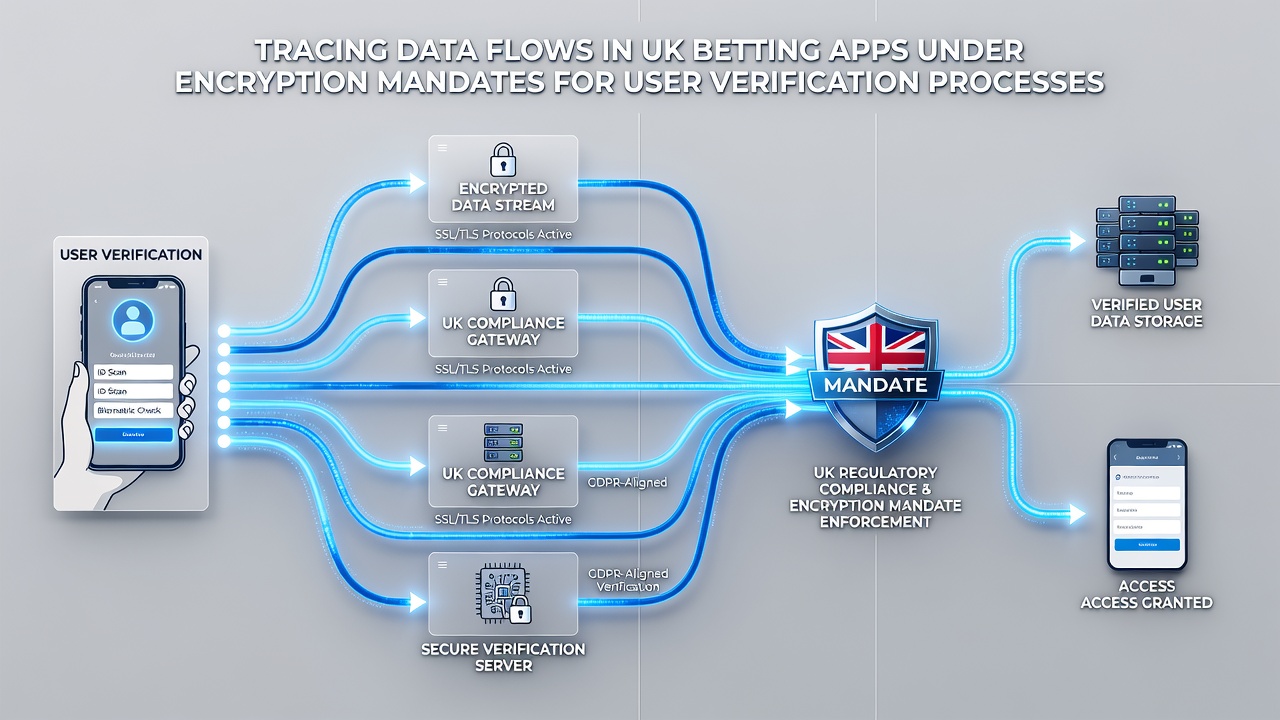
Regulatory frameworks require these flows to align with broader data protection directives, prompting developers to embed traceability features that record metadata such as origin IP and device identifiers without compromising the encrypted payload itself. Data indicates that November 2026 updates to encryption mandates will introduce additional key management requirements, forcing platforms to adjust their routing logic for continued verification accuracy.
Third-Party Integration and External Verification
Many applications forward encrypted verification packets to specialised service providers that handle document authentication through separate secure tunnels, and this handoff occurs after internal systems strip unnecessary identifiers to minimise shared information. Industry reports from organisations like the European Gaming and Betting Association detail how these integrations maintain chain-of-custody records that enable full flow reconstruction during compliance reviews. Researchers discovered that such external paths often include fallback mechanisms where failed verifications trigger encrypted notifications back to the original app without exposing intermediate results.
Tracing becomes essential when discrepancies arise, since logs must correlate device-side actions with provider responses across multiple encryption boundaries. Those who've studied these setups find that standardised protocols help platforms isolate issues quickly while preserving overall data integrity throughout the process.
Challenges in Flow Monitoring and Audit Trails
Encryption mandates create obstacles for real-time monitoring because decrypted access remains restricted to specific personnel, yet platforms employ homomorphic techniques that permit limited computations on encrypted data for anomaly detection. Evidence suggests these methods allow verification teams to flag suspicious patterns without full decryption, and systems generate comprehensive trails that regulators can review through controlled access portals. What's interesting is how developers balance these constraints with performance needs, ensuring flows remain swift even under heavy encryption overhead.
Academic papers on similar systems in other jurisdictions, including analyses from Canadian research centres, provide comparative data showing that UK approaches emphasise segmented routing more heavily than some global counterparts. This distinction helps maintain verification speed while meeting encryption standards.
Conclusion
Tracing data flows in UK betting applications under encryption mandates reveals a structured system of capture, routing, and external handoffs that prioritises security during user verification. Platforms continue adapting these pathways to meet evolving requirements, and the documented processes ensure traceability remains feasible without compromising protective measures. Data from multiple sources confirms that such frameworks support reliable identity confirmation across the sector.