Integrating Biometric Authentication into UK Gambling Compliance Systems
Drew Meier · Oct 9, 2026

Integrating Biometric Authentication into UK Gambling Compliance Systems
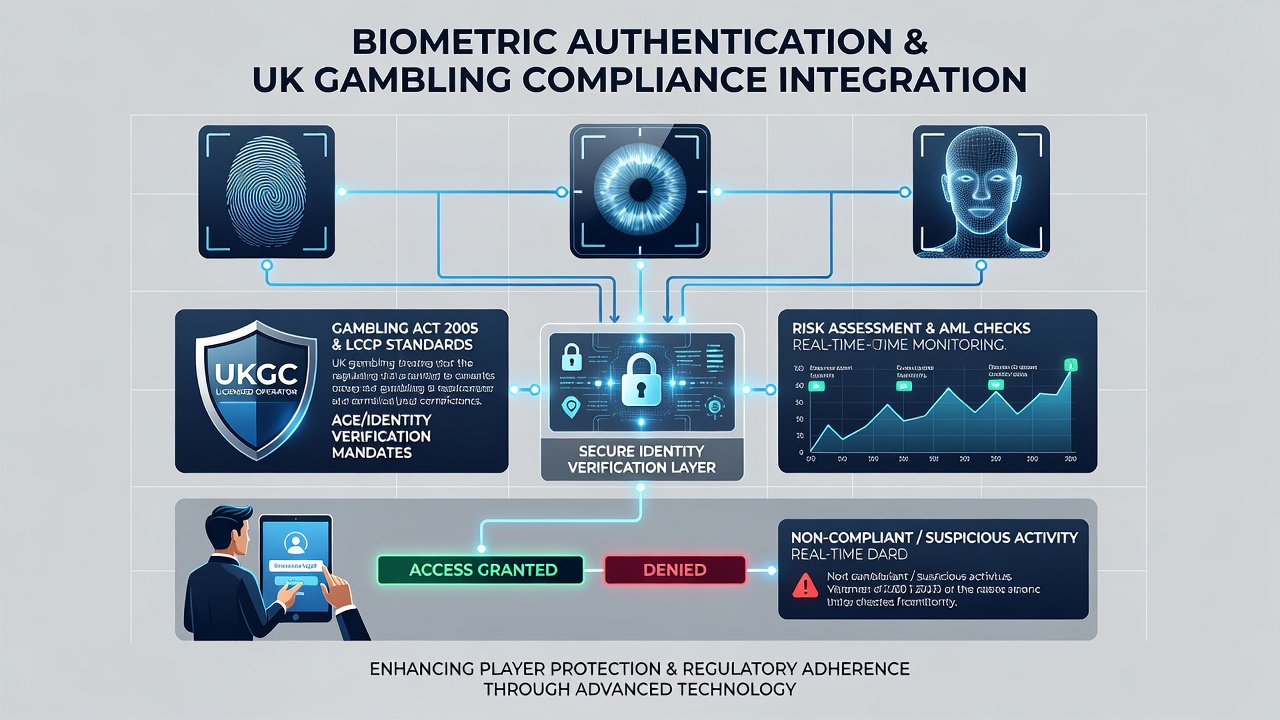
Biometric authentication has become a core component in systems that licensed operators use to meet regulatory demands across the British gambling sector, and researchers note that facial recognition, fingerprint scanning, and voice analysis now handle identity checks that previously relied on manual document uploads. These tools connect directly to compliance processes that cover age verification, anti-money laundering protocols, and responsible gambling measures, which means operators can process customer data in real time while maintaining audit trails that regulators require.
Studies from North American research institutions show that biometric systems reduce identity fraud rates by matching live scans against government-issued records, and this integration helps operators satisfy rules that demand continuous monitoring of high-risk accounts. Data from the Canadian Centre for Gambling Research indicates that fingerprint-based logins have cut account sharing incidents by over 40 percent in controlled trials, while voice biometrics add an extra layer during telephone support calls where staff must confirm caller identity before discussing account details.
Technical Integration with Existing Compliance Platforms
Operators link biometric databases to their customer relationship management systems so that every login attempt triggers an automated check against stored templates, and this process runs alongside transaction monitoring software that flags unusual betting patterns. The combination allows platforms to enforce deposit limits and self-exclusion lists without requiring users to re-enter personal information each time, which simplifies the user experience while preserving the data integrity that compliance audits demand.
What's interesting is how these systems handle cross-border data flows when British operators serve customers from jurisdictions with differing privacy standards, yet the core requirement remains that all biometric templates stay encrypted and segmented from other customer records. Observers note that this separation prevents unauthorized access during routine compliance reviews, and it aligns with broader data protection expectations that extend beyond gambling-specific rules.
Data Protection and International Regulatory Alignment
Biometric data falls under strict handling rules because it counts as special category information, which means operators must obtain explicit consent and provide clear opt-out paths before collecting any scans. Canadian privacy guidelines highlight similar consent requirements that operators in multiple regions now mirror when they expand into UK markets, and this convergence helps firms standardize their technical setups across different licensing regimes.
One study revealed that platforms using liveness detection alongside facial recognition cut successful spoofing attempts to near zero in simulated attacks, while regular template updates ensure that aging or appearance changes do not trigger false rejections during routine logins. Those who've examined implementation reports find that these updates occur during low-traffic periods so they do not interrupt live betting activity.
October 2026 Implementation Milestones
As October 2026 approaches, several operators plan to roll out enhanced voice biometrics that will support real-time verification during live chat sessions, and this timing coincides with scheduled updates to international data-sharing agreements that affect how biometric records move between UK servers and overseas backup facilities. Industry reports suggest these changes will require new encryption standards that exceed current minimums, yet the transition remains manageable because most platforms already maintain segmented storage architectures.
Researchers at European academic centers have documented cases where biometric integration allowed operators to identify multiple accounts linked to the same individual within minutes, which supports compliance teams in enforcing single-account policies without lengthy manual investigations. The process works by comparing new scans against existing templates during registration, and any match triggers an automatic review queue that compliance staff examine before account activation proceeds.
Practical Examples from Licensed Operators
Take one operator who introduced fingerprint authentication at retail terminals in 2024; transaction logs showed faster throughput at busy periods because customers no longer needed to present physical ID cards for every wager above a set threshold. Another example comes from an online platform that paired facial recognition with behavioral analytics, and this pairing allowed the system to pause sessions automatically when patterns deviated from established norms, which helped meet responsible gambling obligations without constant human oversight.
Those who've studied deployment timelines note that initial setup costs remain high because hardware calibration and staff training take several months, but ongoing operational savings appear once manual verification workloads drop. Figures reveal that some firms reduced their compliance team headcount needs by 15 percent after full biometric rollout, although these reductions come with increased investment in cybersecurity monitoring to protect the biometric database itself.
Conclusion
Biometric authentication now forms an established part of how UK gambling operators meet their regulatory obligations, and the technology continues to evolve alongside updates to data protection standards in multiple regions. Integration with existing compliance platforms delivers measurable improvements in verification speed and fraud detection, while international examples from Canadian and European sources provide templates that British operators adapt to local requirements. As October 2026 draws nearer, further refinements in encryption and cross-platform compatibility will shape how these systems support ongoing compliance needs.