AI Pattern Recognition Transforming Fraud Detection Across UK Online Betting Platforms
Dana Vogel · Oct 23, 2026
AI Pattern Recognition Transforming Fraud Detection Across UK Online Betting Platforms
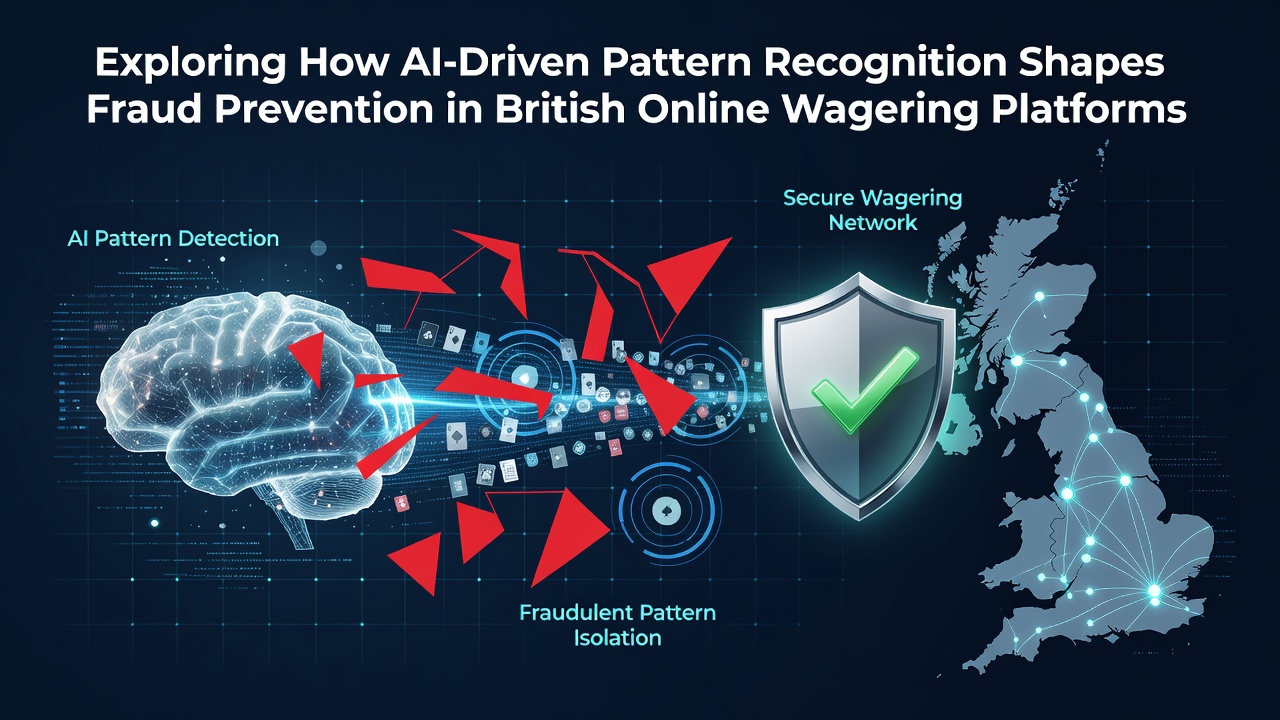
Artificial intelligence systems now monitor vast streams of transaction and behavioral data on British online wagering platforms, and they identify anomalies that signal potential fraud in real time. These tools rely on pattern recognition models trained on historical datasets, while they flag irregularities such as rapid multi-account logins or unusual stake adjustments that deviate from established user profiles.
Core Mechanisms Behind Pattern Recognition Models
Supervised learning algorithms process labeled examples of past fraudulent activity, and they build decision trees that separate legitimate wagering from suspicious sequences. Unsupervised approaches meanwhile cluster similar behaviors without prior labels, so they surface emerging tactics that traditional rule-based filters might miss. Data scientists feed these models variables including deposit frequency, withdrawal timing, device fingerprinting, and geolocation shifts, and the resulting outputs trigger automated alerts for compliance teams.
Integration with real-time APIs allows platforms to pause suspicious sessions before funds move, and this step reduces exposure to chargeback schemes or bonus abuse rings. Research from academic institutions shows that hybrid models combining neural networks with graph analytics achieve higher precision rates than single-method systems alone.
Application in Money Laundering and Account Takeover Cases
Pattern recognition engines track layered deposit and withdrawal cycles that mimic structuring tactics, and they cross-reference these flows against known money mule networks documented in international financial intelligence reports. When velocity thresholds exceed normal ranges for a given market segment, the system escalates cases to human reviewers while preserving audit trails for later analysis.
Account takeover attempts often reveal themselves through sudden changes in betting preferences or login locations, so the AI compares current sessions against baseline activity established over months of prior use. One documented case involved coordinated logins from multiple regions within minutes, and the model isolated the pattern before significant losses occurred. Such interventions have become standard across major operators since enhanced verification protocols rolled out in late 2025.
Regulatory Context and October 2026 Developments
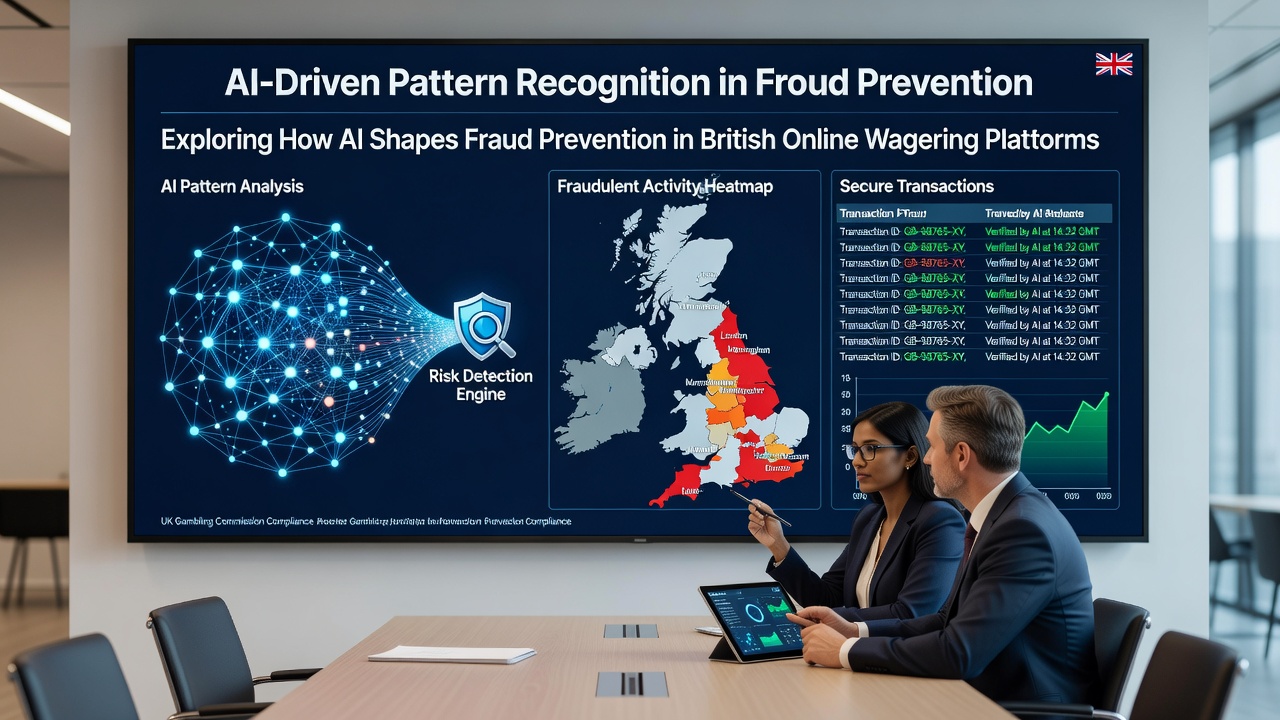
European regulatory bodies have issued updated guidance on algorithmic transparency in gambling oversight, and British operators must now document how their pattern recognition systems reach decisions that affect user accounts. As of October 2026, several platforms completed audits demonstrating compliance with these standards, and the reports highlight measurable drops in detected fraud incidents compared with pre-AI baselines.
Industry associations such as the European Gaming and Betting Association provide benchmarks that help operators calibrate their models against regional norms, while academic studies from Canadian research centers examine cross-border data sharing practices that strengthen collective defenses without compromising individual privacy.
Challenges in Model Training and False Positive Management
Training datasets must remain current because fraudsters adapt their methods quickly, and stale data leads to degraded performance. Platforms therefore schedule regular retraining cycles that incorporate fresh examples from both confirmed fraud events and cleared legitimate activity. Balancing sensitivity against user experience remains critical, since excessive false positives can frustrate genuine customers and prompt them to migrate elsewhere.
Techniques such as cost-sensitive learning adjust penalties for misclassifications, and they prioritize catching high-value threats while allowing lower-risk anomalies to pass with lighter scrutiny. Observers note that continuous feedback loops between AI outputs and compliance staff improve accuracy over successive iterations.
Future Outlook for Integrated Security Frameworks
Emerging architectures combine pattern recognition with blockchain-based transaction ledgers, and they create immutable records that support faster dispute resolution. Pilot programs in Australia have tested federated learning setups where multiple operators share model improvements without exchanging raw customer data, and early results indicate broader detection coverage across the sector.
These developments align with global trends documented in reports from bodies like the US Financial Crimes Enforcement Network, which emphasize collaborative intelligence sharing as a force multiplier against organized fraud networks targeting digital gambling environments.
Conclusion
Pattern recognition technology continues to evolve as a central pillar of fraud prevention on British online wagering platforms, and its effectiveness depends on high-quality data, adaptive algorithms, and coordinated regulatory oversight. Operators that maintain rigorous training and validation processes position themselves to counter emerging threats while meeting transparency requirements that took effect in October 2026. The landscape shows steady progress through measured adoption of these tools rather than sudden overhauls.